Walking into a Canberra club on a Saturday arvo, you will usually see two card tables side by side, and most punters treat them as interchangeable. They are not. The rules, the dealer behaviour, and the way the house builds its edge shift enough that a strategy working at one table can cost you at the other. I have spent years building operator platforms and watching how commercialisation choices ripple through player trust, so I look at these games the same way I look at a product launch: the rules are the spec sheet, the payout structure is the unit economics, and the support around the table is what keeps people coming back.
Where the rules actually diverge
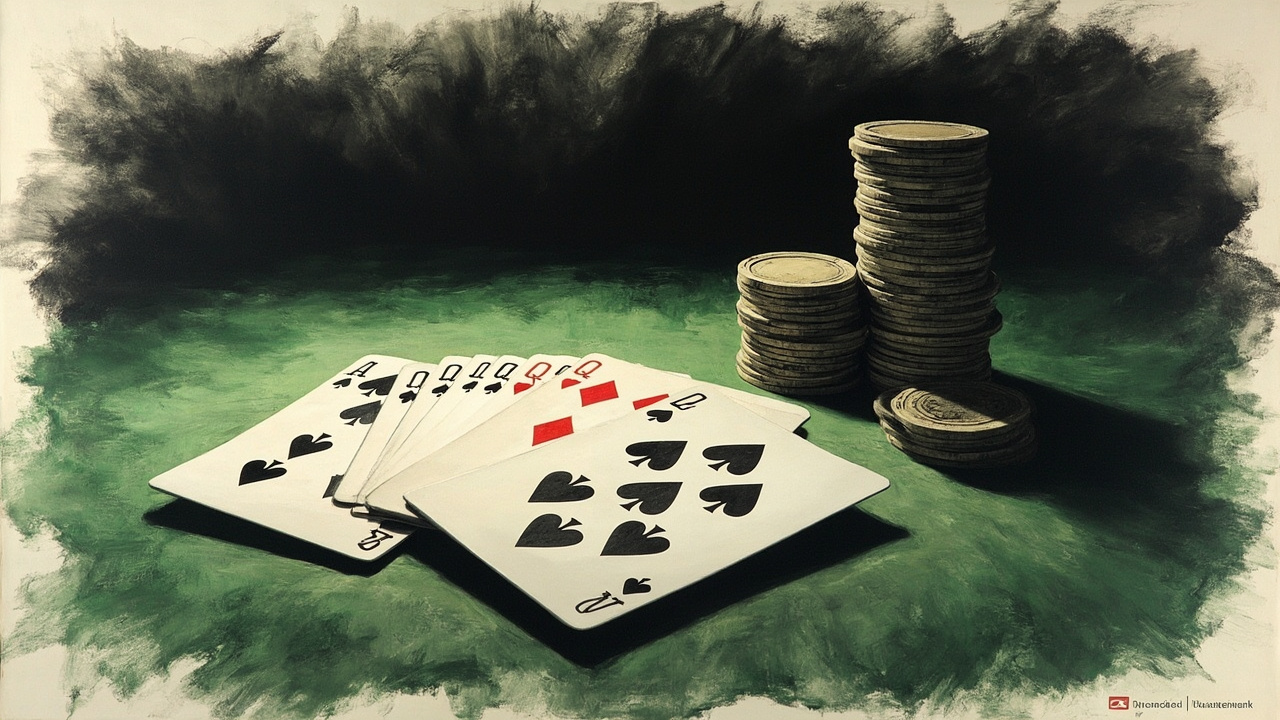
Pontoon and blackjack share a family tree, but the branches split early enough that a greenhorn can feel lost inside a single hand. In Australian venues, pontoon is usually played with a Spanish-style deck or a stripped pack, the dealer stands on a soft seventeen, and a five-card trick pays out without needing a twenty-one total. Blackjack sticks closer to the international standard: the dealer hits or stands on seventeen depending on the house, a natural pays three to two in most rooms, and the five-card trick is not a recognised payout. When I was commercialising a card-game product line, we learned fast that a single rule change around the dealer soft seventeen could move the house edge by enough to matter on a busy night. That is the kind of detail punters miss when they assume the two games are the same. The real trade-off is that pontoon rewards patience and hand-building, while blackjack rewards discipline at the decision points. If you chase a quick twenty-one every time, you will burn through a pontoon session faster than a blackjack one, because the game is designed around accumulation rather than a single strong hand. On the other hand, blackjack gives you cleaner doubling and splitting windows, which is why it tends to attract players who like a tighter decision tree. Neither game is forgiving if you play on autopilot, and the room you are in will usually set the pace more than the cards will.
| Feature | Pontoon | Blackjack |
|---|---|---|
| Typical deck | Stripped or Spanish-style pack | Standard multi-deck shoe |
| Dealer soft seventeen | Usually stands | Varies by room |
| Five-card trick | Pays out without needing twenty-one | Not a standard payout |
| Natural payout | Often set by the room | Commonly three to two |
| Best fit | Patient hand-builders | Players who like clear decision points |
What the house edge and payouts mean in practice
The numbers on a card table are not just decoration; they tell you what the room expects to keep over a long run. I have sat through enough operator boardrooms to know that payout tweaks are where the commercial model lives or dies, because a small shift in the natural payout or the doubling rules changes the maths more than most marketing copy admits. In pontoon, the five-card trick and the way the dealer handles a soft seventeen can either tighten or loosen the edge, depending on the specific house rules you are facing. Blackjack is more standardised, which is both a strength and a limitation: you can compare rooms more easily, but you also have less room to find a quirky rule that tilts things your way. The trade-off is straightforward. Pontoon can feel more forgiving in a single session because the hand-building mechanic gives you extra breathing room, but that same mechanic can mask a higher long-run edge if the room sets the payouts aggressively. Blackjack tends to be more transparent session to session, which is why it suits players who want to track their own decisions without guessing at the house rules. If you are the sort of person who likes to sit down with a plan, blackjack gives you a cleaner map. If you prefer a game that lets you accumulate cards and wait for the trick to land, pontoon has that rhythm built in. Either way, the room you pick matters more than the label on the table, and the support around the game matters just as much as the rules.
A quick way to read a table before you sit down
If you are new to either game, do not start by memorising a chart. Start by reading the room. I learned this the hard way when I was helping a startup sort out its first commercial rollout, because the product looked solid on paper and still failed the first real user test when the onboarding was vague. The same thing happens at a card table: the rules on the felt are only half the story. Here is a simple way to size up a table before you put money in, written for a mate who is still finding their feet. First, check the natural payout and write it down in your head before you place a bet, because that single number tells you more about the house edge than the decor does. Second, ask the dealer how the soft seventeen is handled and whether the five-card trick pays in pontoon, since those two answers will tell you whether the game is built for accumulation or for tight decisions. Third, look at the doubling and splitting windows, because a room that restricts those options is effectively charging you more per decision. Fourth, watch the pace of the table for a few hands, because a busy arvo session in Canberra can move fast enough that a rushed decision costs you more than a bad card ever would. Fifth, check the support and responsible-play tools on the room itself, because a game is only as good as the controls around it when the session stops going your way. If you want a neutral place to compare how different rooms present these rules and the support around them, you can check the listings at ozwinbonus.org before you commit to a table. That last step matters more than it sounds, because a game you understand is still a game you need to be able to walk away from.

A good session is not about finding a magic system. It is about knowing which game suits your patience, reading the house rules before you bet, and picking a room that treats the game and the player with the same level of care. Pontoon rewards the patient hand-builder, blackjack rewards the disciplined decision-maker, and either one will teach you more about your own habits than any shortcut ever will.